

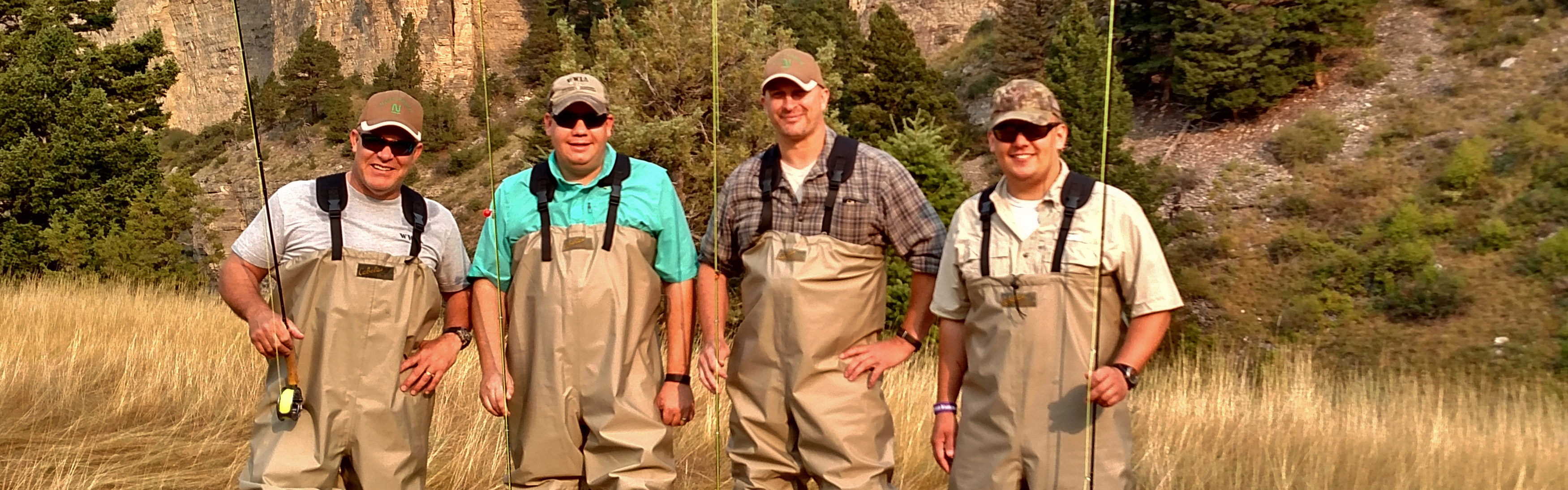
Episode 65: Leadership Development with Purple Heart Heroes Jake Whipkey and Matt Brannon
On this episode of the WWIA Podcast, WWIA Founder and CEO John McDaniel proudly welcomes two exceptional American Patriots to the show. Purple Heart Recipients and WWIA Guides Jake Whipkey and Matt Brannon join John for an engaging conversation on leadership.
Jake Whipkey served five years in the U.S. Army, 101st ABN division, stationed at Fort Campbell Kentucky. He was awarded the Purple Heart Medal for wounds he received while serving his second tour in support of Operation Iraqi Freedom. This tour was cut short on November 18, 2007, when he was wounded while under fire in Suh-marr-uh, Iraq. After being medically retired in December of 2009, Jake returned to Boswell, Pennsylvania, his hometown, where he lives today.
He joined WWIA in 2010 and has been leading numerous events across the country ever since. He is a successful fisherman and hunter and has harvested small game, turkeys, wild boar, white tail deer and bear in his hunting lifetime. Matt Brannon’s life has been dedicated to the service of his country and others.
Matt is a proud husband and father; a United States Army Purple Heart Veteran; a certified WWIA Guide; Event Host of the Alabama Turkey and Hog Hunt, and a WWIA Board Member. Matt has served in Law Enforcement for the past 13 years. He is a Special Agent–Senior, working for the Alabama State Bureau of Investigation and currently assigned to the Narcotics division, working on the Alabama Drug Enforcement Task Force. He also holds full credentials with Homeland Security/ICE. Matt strongly believes in the healing power of the great outdoors and the mission of WWIA.
This is an outstanding episode that we are honored to share with you.
Takeaways:
- The WWIA Podcast emphasizes the importance of leadership in supporting America’s combat-wounded Purple Heart heroes through the power of outdoor activities.
- Jake Whipkey and Matt Brannon, exemplary Purple Heart recipients, share their transformative experiences with the WWIA Foundation and its mission.
- The podcast highlights the significance of community involvement and the positive impact it has on the lives of veterans through shared outdoor experiences.
- Leadership in the context of the WWIA Foundation is defined as providing purpose, direction, and motivation to enhance the experiences of combat-wounded veterans.
This episode is sponsored by ABLEnow. ABLEnow is a national ABLE savings program designed specifically for people with disabilities.
It allows eligible individuals to save and invest money in a tax-advantaged account without risking certain means-tested benefits, such as SSI or Medicaid.
ABLEnow is available nationwide and serves eligible individuals in all 50 states. Learn more at https://www.ablenow.com/
Transcript
Foreign.
Narrator:Hello and welcome to the WWIA Podcast. We're honored to have you join us in our mission to bring honor, connection and healing to America's combat wounded Purple Heart heroes.
If this is your first time listening to this podcast, we welcome you if you're a returning listener. Thanks for coming back.
Please be sure to tell others about our podcast and leave us a review if you're enjoying what you're hearing on this episode of the WWIA Podcast.
WWIA founder and CEO John McDaniel proudly welcomes two exceptional American Patriots to the show, Purple Heart recipients and WWIA Guides Jake Wipke and Matt Brannon. Join John for an engaging conversation on leadership.
Jake Wipke served five years in the US Army 101st Airborne Division stationed at Fort Campbell, Kentucky. He was awarded the Purple Heart Medal for wounds he received while serving his second tour in support of Operation Iraqi Freedom.
,:The he joined WWIA in:Matt Brannon's life has been dedicated to the service of his country and others.
Matt is a proud husband and father, a United States Army Purple Heart veteran, a certified WWIA Guide, event host of the Alabama Turkey and Hog Hunt, and a WWIA Board member. Matt has served in law enforcement for the past 13 years.
He's a Special Agent Senior working for the Alabama State Bureau of Investigation and currently assigned to the Narcotics Division working on the Alabama Drug Enforcement Task Force. He also holds full credentials with Homeland Security, ice. Matt strongly believes in the healing power of the great outdoors and the mission of wwia.
This is an outstanding episode that we're honored to share with you. So without further delay, let's jump into the discussion with John, Jake and Matt right now.
John McDaniel:th of December. It's:I don't know when it's gonna this is gonna air, but I have two very special people with me today, men who I admire and who have done amazing things for our country and amazing things for the Foundation. Jake Whipkey and Matt Brannon, welcome to the program.
Jake Whipkey:It's great to be here, John. I'm excited.
John McDaniel:Yeah. And there's Matt. Big cat Matt.
Jake Whipkey:Yeah.
John McDaniel:So, you know, here, let me set the scene for you. We're in my office in Apollo Beach. It's a Saturday. We're going to go fishing here as soon as we get off the podcast.
I got the crab traps out there and they've been soaking for a few days and we're going to go try to scare up some live bait and catch some snook and some reds and whatever else we trouble we can scare up out there. But. Yeah, so it's a little misty out there today and I brought Matt and Jake on the program. For those of you who don't know Matt and Jake, they're.
They're both combat-wounded Veterans, Purple Heart recipients, and they're on our guide staff.
So they, they've been through our guide school and they're out there running around the country helping us lead these missions that the foundation sponsors and runs all across the country. And they're doing great. So what, we're going to just start the program here with a brief introduction.
So, Matt, why don't you go first, Just tell us briefly, because you do a lot, man. You do a lot. You host your own event. You instructed our guide school, you do fundraisers.
Just tell us a little bit about yourself and your involvement with the Foundation, please.
Matt Brannon:Sure. I'm Matt Brennan. I'm married to my wife Candice. We have three daughters, Chloe, Catherine and Claire. We live in Northeast Alabama.
e organization since November:John McDaniel:Okay.
Matt Brannon:in October. So what is that,:John McDaniel:No, it does.
Matt Brannon:Flies by.
John McDaniel:Yeah. And you're also responsible for the Kabco Company house?
Matt Brannon:Oh, yeah.
John McDaniel:You know, Kyle Bennett and his great team. There's a, a bunkhouse up at Camp Hackett, and I love to tell the story. I was pulling my trailer up there.
I think we were at either a safety symposium or a guide school a couple years ago, and Matt looked at the trailer and he said, you pulling that up here every year from Florida all the way to Wisconsin? I go, yeah, I am. Well, there's no room in the bunkhouse for me to sleep.
And the fifth wheel, we had had animals in it, so we just couldn't use that anymore. But I said, I am. He goes, what do you think if I talk to Kyle and see if he'll, you know, build you guys a house? I said, fill your boots, man.
I didn't think anything of it. I just like, oh yeah, you know. And you come back about five minutes later. He said yes. And it showed up that fall.
It showed up that fall, yeah, because.
Matt Brannon:That was in the summer, right? It was just a few months later. What I didn't think about in that whole process was, and I laugh about it now was I knew building it was.
I mean, I knew, you know, that was going to happen. Kyle was super great. I didn't think about how we're going to get this giant thing all the way to Wisconsin from Alabama.
And so after Kyle had already said yes and we'd committed to this, I was like, I called him one day, I was like, man, how are we going to get that thing up there? He's like, I'll take care of it. I said, what do you mean?
He's like, well, flatbed, you know, he's like, I got guys that go all the way to Kentucky, you know, we go all the way to the, you know, almost Ohio anyways. And he's like, we'll just, we'll just take it up there. And so they did, they shifted all the way up there too. It's pretty impressive, isn't it?
Jake Whipkey:Big time. Impressive, man. Big time.
John McDaniel:And Jake, you're, you're the wave tops and your story. Let's, let's hear it, man.
Jake Whipkey:Wave tops, here we go. So Jake Whipkey from Boswell, Pennsylvania, a little bit further than Boaz, Alabama North.
ved with the foundation since:So I was sitting at the sergeant major's office trying to get some Christmas leave paperwork pencil whipped and this, this random guy calls and he's looking for someone to go on a trip in, in the Northwoods of Wisconsin.
And it was just happened chance that I'm there at that time, you know, messing Christmas leave paperwork up and you know, go to Wisconsin hunt with this guy John McDaniel. And the rest is really history, as they say.
I mean, I've been involved with the foundation in a bunch of different ways and I tell people all the time it shaped my life Completely. You know, there's a lot of people that have a tough transition out and for me there was like no transition. It was like automatic.
I went straight from active duty WTU to my role in the foundation and it just made everything super seamless for me. And there was a direct, like, sense of purpose, a direct mission change. And it is 100 shaped who I am today.
John McDaniel:Wow. And you and Matt have both, you know, really changed the landscape, in my opinion, for how things are, you know, done like in the field.
And, you know, just once upon a time, as you know, it was me just running around with my dog and a truck and a couple of combat wounded guys. And now it's, it's, you know, it's professionalized, if you will, and you guys are, you know, carrying the heavy load. I think we have 40 this year.
I think we're going to do 42 missions across the country and I'm only leading two of those, which is great.
You know, it was designed, you know, really designed to, as I thought through the whole thing, like, this is going to be way better, you know, if I can find the right guys to and gals, you know, to run the organization, the field, you know, the operational side of it, you know, delivering the combat wounded veterans to the American sportsmen, all of whom are volunteers, I might add. But you're here this weekend. You got here yesterday. We had a nice dinner last night and we're going to go fishing this afternoon.
We're going to hopefully catch some crabs and then on Sunday we're going to have a crab boil. Tonight we'll burn some steaks. But really what we're here for is to talk about leadership. Not just talk about it. But I thought it was important.
I think it's important for me to understand you guys and the guides themselves, like, what are we actually doing out there and what can I do as the senior leader in the organization to better equip you, to maybe better train you, provide opportunities for you and then listen to you. What's going good? What's not going good, what can we improve upon? Just leverage all of your amazing experience.
And so that's really why you're here, so that we can learn, I think, and improve our system. So let's talk about leadership. I mean, here we are. I asked you guys last night, I said, I'm going to ask you one question, no surprises.
But tomorrow when we're doing the podcast, I'm going to ask you to tell us about maybe some examples of good leadership.
Don't have to mention any names you can if you want to or maybe some examples of leadership that was not so good, but things that you learn from the leaders that are around you and what makes a good leader. You know, I mean, leadership.
The army defined the leadership as, I think, don't quote me on this, but it's something like, you know, it's the, the art of providing, you know, purpose, direction and motivation for a common purpose or cause. Right. And that makes sense. You know, purpose, direction, motivation. Right, that's, that, that, that's leadership.
But I like to start with you, Matt, if you don't mind. You know, there's some, you, you also are, you're a professional too now.
I mean you're, you're a law enforcement officer and I'm sure you have a lot of professionals who, you know, you were around a lot and maybe you're still hopefully learning from them. You've got friends that are probably leaders. You've had coaches, you're an athlete. Talk, talk to us about what is, what does leadership mean to you?
Matt Brannon:So I view leadership in a blue collar sense.
I think leadership is showing up consistently, showing up, setting an example, never asking your partners or your men to do something you're not willing to do yourself. Setting the example, earning respect through actions, not words or titles is kind of my approach to leadership. Just a very basic blue collar analogy.
You know, just, just simply I want to be the guy that shows leadership, you know, through a professional way, through my actions.
You know, I don't want to, I'm not a very verbal, like I can't give you a speech to make you run through a wall, you know, but I can show up every single day consistently that you, I'm a guy you can depend on to do a good job and to set a good example for the man. And that's the way I view leadership.
John McDaniel:That's a great answer. Yeah. Jake, what do you say? You're over, you're over there. I can see you're over there in deep, deep thought.
So what, what, what, what, what's going on?
Jake Whipkey:Yeah, what do you thought? I just agreed. I agree completely with what Matt said and you know, I think like you said, it's like a lead by example type things.
I mean we all know those great leaders and a lot of times it's hard to put it in words what that is, but they have it.
John McDaniel:Yeah.
Jake Whipkey:Do the air quote thing.
John McDaniel:It.
Jake Whipkey:And it's basically you just look at this person, you're like, dude, I not envious, but I'm Certainly, like I vision myself is the same place as that person. So, like, that is it, whatever it is, and you're drawn to them, and you want to be. They're a great example to you.
And I think a lot of that is just living, living life right from start to finish.
Everything you do, like, with a, with a sense of mission, a sense of purpose, whatever that purpose is, you see that and you're like, but I want to strive to be like that. And I think that that's it, man. You're drawn to be like that.
John McDaniel:Yeah.
Jake Whipkey:And whatever that is for you, like, whether that's, you know, when you be a triathlete or, you know, run marathons or be the greatest hunter, the greatest hunter we know, like, or a military leader, like, all those things. Like, whatever it is, if it's a military leader, there's all these standards that you got to live up to.
And, and it's, it's certainly, you know, leading by example, I think just leads the way. It's like Matt said, it's not always, you know, the rah rah ree speech, but it's living your life as, as an example each and every day.
John McDaniel:You know, I thought about this too, and I, I've actually thought about this a lot throughout my life is just, I, I can remember, you know, my first, I guess my first opportunity in a leadership role was in sports, you know, and, and I, I, I, you know, whether you're captain of the team, you know, you got the C on your jersey. You know, what does that really mean? Well, you know, you, we could talk about that, but, but I, I, I'll go to the military side.
And I remember when I got on active duty and I started looking around at my first duty station, you know, in the army, you, you wear your stuff, right? Your badges, you know, you got the, you know, if you're airborne, you got an airborne tab. You know, Ranger, you got a ranger tab.
You know, you got airborne wings, you got maybe an EIB or a cib I mean, you got a right shoulder patch if you've been in combat anyway, you know, so that's what they call referent power. Right? These are accomplishments. So that's what I was thinking about. Like, in the civilian world, what's the equivalent of that?
I really think that when you look at somebody or learn about somebody and understand who they are, I think their accomplishments have something to do with the equation. You know, like, for example, why does, you know, pick a quarterback? I mean, you know, they say that, that Tom Brady is the greatest quarterback.
They call him the goat, right? Or Steph Curry or whoever your favorite baseball, basketball, football player is. Well, what do you know about them, realistically?
What do you really know about that person? Well, you know, what you read, you know, what you hear maybe is on tv. You don't really know who they are.
You just know what their accomplishments are. But look at the. You know, look at the gravity that that individual pulls, you know, in terms of. Is his or her popularity.
Young people, they want to be like that guy, right? They want to emulate the way he dribbles the basketball.
They want to emulate the way the guy throws, you know, I mean, he's got eight super bowl rings or whatever the number is. You know, I think there's something to do with accomplishments.
But if you look at, like, the civilian world, like, okay, you know, maybe there's a manager, maybe there's a. You know, it also could be a peer. I mean, I think there's a lot to be said about leadership from peers.
I look to you guys, believe it or not, often for leadership. Hey, we're on an event. I'm tapped out, and I need somebody to step in and rescue me or to take the show for a while or lead at guide school.
That's leadership to me. So, you know, I respect everybody's abilities and, of course, everybody's challenges, too, especially in this space.
But it's the kind of thing where you go, you know, what is it about that person? Sometimes, you know, I guess the French would say would. Would call it the je ne sais quoi.
The thing that I don't know, you know, like, it's this it factor. It's the it. You said it. That's right. It's the it factor. But what is that? You know, that's. There's some magic in that equation.
I don't really know what it is.
Jake Whipkey:There is, man. You see it and you feel it. And that's the thing, like, you know, it.
Like, you know, as a reader of people, like, and I think that's certainly part of, you know, being a good leader is being able to read people and understand what they need and filling the void like that they need. You know what I mean? Like, it's part of it. Like, where they come.
You talk to someone or you don't talk to them, like, you've got to be able to understand what they want and need.
And I think that especially in our roles as guides and associates, like, that's an important thing for us, you know, as you See, a dude, it's kind of off, you know, doing his own thing. He might need a little extra oomph to get him through the event and push him over to have a better experience. And I think like that's.
And then there's certain dudes you're not gonna, you're not gonna talk to at all because he's already doing his own thing.
And I think as in a leader, like in our role on events, like, you've got to be a guy that can manipulate and understand what, what needs who and who needs what. And like I say, I've said before a lot of times is like as an associate, a guide on events, like, you've got to be everything to everybody.
John McDaniel:Yeah.
Jake Whipkey:Like, because there's times you're gonna need to help the host out more and there's times you're gonna need to, you know, help each of the heroes out a little bit more. And you've gotta, you gotta be able to understand as who needs what and you'll be able to check that block form.
John McDaniel:So can we talk about some leadership challenges maybe that you've seen in without, you know, without dropping names just to.
Jake Whipkey:Protect the innocent, you know, Innocence, A vague word there.
John McDaniel:Right.
Jake Whipkey:But, you know, I'll tell, I'll tell.
John McDaniel:You, I'll start off just, you know, but then I want to hear your thoughts to give you a chance to kind of pick one out. But, you know, a challenge for me. And I think you've seen this too.
You know, you get on an event and there's a, there's a personality there that, you know, just wants to dominate, you know, and it's hard to get a word in edgewise.
And he's a, and say he is a topper, you know, he's one of those guys, you tell a story, hey, one of the heroes goes, you know, you're showing pictures, right?
Matt Brannon:Hey, there's always one.
John McDaniel:Hey, look man, I got this is. And he's so proud of it.
He shot a six point buck in his backyard and he was showing it around and dude's gonna whip out his phone and go check out that one. You know, this is my third ten pointer, you know, and, and you know, it's, hey, it happens.
And that's not a, that's not really a maybe that's not a leadership challenge.
But if it continues, you know, and you've got somebody that's just seizing and maintaining the, I don't call it the emotional floor, but this is, is the center of gravity for all things in that room, it can be challenging, right?
Jake Whipkey:Yeah. So like I think on those things a lot of times it's subliminal messaging to try to get a dude to turn that off.
You know, like I, like, I'm like, you know, you always aim your feet at the door, whatever you're ready to go. Like subliminal messaging.
I think for those things, like the easiest way to handle some of them is to hit them right off and like look at the dude, six point and praise it and like be facing that dude. And if the dudes over here on your other side, you're like kind of giving him, you know, a little bit of the shoulder like letting him know like.
And there's certain dudes you're going to have to talk to and be like.
John McDaniel:Hey buddy, bless you.
Jake Whipkey:But like it's subliminal messages and you're.
John McDaniel:Going to let them know.
Jake Whipkey:But, but I think it starts really subliminal. Like it's little things at first and then it escalates from there, right?
John McDaniel:You just, it just keep, It's a volume knob.
Jake Whipkey:It is. I'm not listening to you. I'm not, I'm not looking at that.
John McDaniel:Well, you know, hey, you know in these groups, right, they're storming, norming and forming and it goes on. You know, usually the first day with the group is a chaotic day because guys are, guys are trying to figure out who's who in the zoo.
You know, there's a lot of sniffing going on, right? And they're trying to figure this whole thing out.
Some guys are like, you know, they just sliding in there and checking things out and they're real cool and quiet and there's others that are. And the emotions are kind of high because everybody's excited. They've never been here before. They're in a new place.
They just traveled from their hometown. They've been anticipating this haunt, you know, etc.
So there, there's the challenge of, of personalities and managing the, managing the population if you will. The heroes, right? Matt, what were you going to say something? Jake?
Jake Whipkey:I was just going to say I think a lot of that is, you know, those dudes need attention as well. I mean it kind of can get, it can take away from one guy if someone's trying to hog it all.
But like those guys are like, they need such a big like self esteem boost that they're searching for something, man. They need that attention.
Matt Brannon:Yeah, yeah, yeah.
John McDaniel:And you can give it to him too by just, you know, pull them aside and, and, and give them some of that, you know, give, obviously give him some of that attention. But, you know, it's always delicate because you don't want to, you know, you don't want to hurt anybody's feelings.
You, you know, but at the same time, you know, this guy over here is just dying to say something, but you're just not going to give him. Nobody's giving him any space or room to do it, you know, and he's just. He's being squashed.
Jake Whipkey:That's everything to everybody, man. Everything to everybody.
Matt Brannon:To me, you know, on events, well, you know, we have five, four to five heroes on events. You're always going to have your, you know, your talk, your Tommy Topper. Then you're always going to have just the dudes that are there to.
John McDaniel:You got the.
Matt Brannon:The meat of the sandwich. You got the dudes in the middle, just calm, they're just cool, they're ready, they're just good to be there. For me, I'm always looking for the one.
And to me, I think I can look back at the many events I've done and it seems like there's always one that needs. You need something, you know, like, he's the guy that truly, you know, whether something's going on with him at home, maybe in his.
His career, his work life's not going so well. There's always one. I feel like every time that. And you can usually identify that within the first 24 hours. And man, I really try to love on him.
I really do put an arm around him, you know, just. And those guys are so grateful and just. That's what I look for. Like, Jake said that the.
You're always going to have the talker and those guys need love too, and they don't mean any harm by it. That's just what they're doing. I'm really good.
Like, Jake said it, you know, I'll listen, but kind of just, you know, I just let them do their thing, you know, and. But I really try to identify that one that's truly there. He needs us way more than we need him and he just really needs help or she.
And man, I could think back many times over the years and I have three or four good ones that come to mind that I still talk to quite often that had not been for and sometimes might not have even been on my event.
And I've heard stories from Jake and other guys that, you know, it just truly made an impact in their lives, you know, and that's what makes it all worth it to me, you know, and So I get enjoyment now of when we do events.
I know coming in, like something special, like I'm gonna see something special happen, you know, like I'm gonna see a difference in someone's life this weekend, you know, And I don't know, that means a lot to me and I enjoy that process now. You know, at first I just kind of.
I knew this was cool, you know, and when I started working here in this organization, I knew we were doing some good.
But, like, as the older I get and more events, you know, the more guys you meet and the more stories, like, man, it really means something to me to find those guys that truly you're changing potential trajectories of their lives.
John McDaniel:Right.
Matt Brannon:You know? Right.
John McDaniel:Yeah. No, it's true. And it's very, very important. You know, it's. And it's privileged work.
I mean, anytime you can make an impact in somebody's life by just being there, it's not like there's magic sauce or anything. It's just, hey, you're there to support him and listen to him and help make his experience or her experience as good as it can be.
And I think that led me into this idea of thinking about what we do in terms of standards. And I think we need to talk about that a little bit because we're not doing a pickup game.
These events are highly planned and they're very well executed, they're very well resourced. I mean, we're paying for everything for these guys. Their transportation, their licenses, the processing, the lodging, the chow, all of that.
It's an all expense paid, world class experience. Somewhere out there in America, hunting or fishing. That's why the words world class have always been in our mission statement.
Well, what is world class?
Well, I mean, if you got a community that's pouring out and preparing a host that's preparing for weeks in advance, sometimes months in advance, of course, fundraising and doing all this stuff to raise resources and awareness for this cause and this mission. And then you guys show up and you got a guide that's trained, you know, you got a host that's done this several times in most cases.
And there's a community behind that person that's there.
Somebody's, you know, laser making quilts, you know, pies, guys are guiding, you know, all these things, picking you up at the airport, sometimes there's a police escort. You know, this is when you talk about standards. You know, we got the bar set pretty high.
If you think about it collectively and as a leader, if you have high standards and you make sure that they're enforced or people are doing the best they can. Again, going back to providing purpose, direction and motivation, then you're going to end up with a pretty high quality event, I think.
And it's from the client's side, from the wounded warriors perspective that are on these events. I think some of that's got to shine through, don't you?
Jake Whipkey:Yeah, I definitely think it does. I think. And I think that's part of the whole process. Like you mentioned, like, you know, we got guide school stuff now.
We've got all these ways to approach, to make it more of a professional, like, setting. As we go there, guys, they have a better idea what to expect.
I mean, in the beginning, you know, like you said about the dog and the truck and driving around, there really was no standard. You know, it was just, let's go make this happen. We're going to take. Take guys or gals on a hunting or fishing trip and then we rock up.
And it is what it is. But now there is a set standard. And I think that makes, like, the task of being a leader easier for us at this point, because there is a standard.
There's.
There's basically a playbook to go by, like, and there's going to be wild card things that are going to come out of the left field or right field that you're not going to. You didn't hear a story about this because it happens, man.
John McDaniel:Right.
Jake Whipkey:And there's going to be those things that like, catch you on your toes or your heels. But, you know, it's.
We've got enough, I think, of a, Of a system in place right now as a foundation that it makes it way easier to like, lead in those situations.
John McDaniel:Yeah. Well, let me ask you this. You know, moving forward into the organization, I mean, I think you have to have a.
In the future, I think you have to have a vision for what does this thing look like in 10, 15, 20 years down the road.
I think it was called Vision:Jake Whipkey:Here we are.
John McDaniel:Here we are. And I have not broke that document out. I wrote it. So I kind of know what's in it.
But I, and I Projected back then 8 years ago what we would be doing today. And then you figure, okay, that's what we're going to do. Let's backwards plan to figure out how we're going to get there.
And I think that's important. But you could say, did you do it? Are you doing it? And some of the things. I think the answer is, yes, we are doing it for sure. And that's great.
But what's the next step? I don't want to hurt your heads, but we don't have to talk about this here. But you can if you want to.
But that's what I want to look at is what does the organization look like moving into the future?
And part of that solution set, I think the most important part of that resides in you guys and the guides and your leadership propelling the organization forward. Um, so I expect that we'll talk about that, you know, throughout the balance of the week.
Jake Whipkey:You know, it's funny you say that, John, because I find myself anymore in like, you know, that. That same thought process and I look at it like a different way.
If I look back at my:And I think that, that, that, like, moving forward is going to change our dynamic is like, who we're going to be serving.
John McDaniel:That's a great.
Jake Whipkey:Because the people have changed. Like whenever I used to on a hunt, like, there was 87 questions like, who's going to pick me up at the airport? When are they going to be there?
What am I going to eat now?
Man, these guys, they're like, they get their op order, you know, they're like, well, either read it or didn't read it like in there, but they're perfectly comfortable. And they have changed in their approach of how they come on these events. Like, they've got a different vision of what it's going to be.
They have a clear vision.
And whether that's the guys maturing or getting further away from their service date or injury date or whatever that may be, like, the heroes are different than we serve right now, than what they were five years ago, eight years ago, whatever, you know, And I think that moving forward, that's something we gotta, you know, in that whole deal of trying to figure out where we're in 10 years. Right. I understand it starts at the top, but the guys that we're going to be serving, they're going to be different people.
The heroes are going to be different heroes at that point. The same guys, they're going to be a different place in life and they're going to need different things than what guys need now.
John McDaniel:Right.
Jake Whipkey:So it's, it's funny, you know, kind of.
I like to look at that in like two separate angles, like, because the heroes are going to be different and we're going to have different operation and the two have to meet in the middle to make the best experience we can for the guys.
John McDaniel:Well, you know, you're, you're, you're right about.
They're different because I remember the very first I was doing missions right out of here in Tampa Bay and the very first one I did up at Camp Hackett with three guys that I did not know, had not ever met. And they had, they were. All of them were on leave from combat, so they were home on leave and they were going back.
Jake Whipkey:Yeah. Way different than someone that's been out of the army for 20 years.
John McDaniel:Way different. Yeah, way different.
Jake Whipkey:A whole different cl.
John McDaniel:Tell me. Yeah, and so the very much combat and that, that was, that, that happened. That was the, that was the standard for many, many years.
Because, you know, I start, you know, we started doing this in 07. Okay. And, you know, and, and the war in Iraq and Afghanistan, especially in Iraq at that time, is raging. 05, 6 and 7 are bad years for the home team.
Jake Whipkey:It was, it was, was the ramp up or whatever they called it or something, or the big push of numbers. I can't remember now that the terminology was used, but yeah, that was the.
John McDaniel:When did you get, when did you get 07? Oh, yeah.
Jake Whipkey:November seven. Yep.
Matt Brannon:Matt, what was your 09?
John McDaniel:09?
Matt Brannon:Yeah, I joined in 07, which was the ramp up. You know, they were, you know, Afghanistan was kind of growing a little bit. Iraq was in the peak of its thing.
Yeah, I joined at a time where they were like, I mean, they were begging people. And so, yeah, Iraq was kind of 05 to 07.08.
ere like, to me were probably:John McDaniel:Yeah. But the further away you get from that, you know, they say time heals all wounds.
I don't know if that's really true, but I could tell you that getting further away from, you know, that point of injury or the point of being, you know, wounded, the further you get away from that, likely the better off you are. You know, one, one, one hopes. But yeah, at least it's, it's not as, as poignant, I suppose.
And that's a, that's a, that's a really, that's a really good point.
But the other side of that is, you know, this country, every, if you go back, we talked about this last night, but about every 10, 15 years, we're getting into another mess and guys are going to go slug it out someplace and get wounded and killed. And can you imagine? That's part of the deal. Imagine this, right? Put yourselves 20 years from now, okay? Say the foundation's still part of your life.
Well, there's probably going to be at least one, if not two more groups of combat wounded Purple Heart recipients. Hopefully not, Right? I mean, we'd love to say that. I'd love to run us out of business.
Like, you know, we don't have any more clients, you know, but I'm pretty sure that, you know, given human nature and the way the world is today, that we haven't seen our last war. But can you imagine leading these young men that are the age of your children, our children now? I mean, you're gonna be like their dad.
Jake Whipkey:Yeah. And I think the groundwork's already there. Like, whenever I interact with Vietnam veterans, dude, that's exactly what it is.
There's dudes that are super successful and very good interacting with our generation, and then there's guys that aren't as effective in reaching our generation.
So for me, it's like looking at example of those Vietnam generation guys and the ones that can impact me, and then I want to take that whenever there will be another generation, like I said, you know, God forbid, there's probably gonna be another war.
But, like, whenever that is, like, for me, the groundwork's already laid out because I interact with Vietnam guys all the time that are, like, super impactful on me, and I can see what's impactful and how it works and, like, how they can cross generations. And then also there's examples that guys that don't cross generations.
So the standards already, you know, it's set there just to take that piece of, you know, out of your toolkit there and be able to use it whenever it becomes a time. Right?
John McDaniel:Yeah, no, I, I talk about the. I talk about the Vietnam generation guys all the time. I. I got a super soft spot in my heart for him.
All my battalion, brigade, and division commanders, you know, when I got on active duty in 87, all of them were Vietnam veterans, every single one of them. And I had studied the Vietnam wars in college.
And, you know, of course you've seen the movies, you know, Platoon, Apocalypse now, the Deer Hunter, you know, there's all these Vietnam movies that were on the big screen. And. And of course, growing up, I saw there was three channels.
nd, you know, in the night in:I can remember the Vietnam War, they used to say, was in your living room because the nightly news, you'd turn it on and there'd be coverage. They talk about the number of guys that were killed, the number of guys that were wounded. They talk about missions.
Sometimes you'd see footage, and it was a. It was a big deal.
And of course, the, you know, the riots that, you know, once the war became super unpopular here in the, you know, in the stateside, there was that whole thing going on, too. But the point of the matter is, is that those great Americans are part of our population.
You know, we very deliberately integrated, have integrated Purple Heart veterans from the Vietnam era and the Vietnam wars into our operations. And they're great, you know, but what do you see?
You usually see somebody that's pretty calm, very measured, you know, and when he speaks, he's got something to say and people listen to him, you know, And I think if you project yourself into that space, you know, 20 years down the road, you know, they're, you know, they provide great role models, as, at the end of the day, I think, for me, anyway, still to this day, and I. I have a great deal of respect and admiration for them.
So anybody who's listening to this and from the Vietnam era and served our country, God bless you, you know, because you guys are very important now more probably than ever, and you weren't welcomed home properly, and that was a shame. But we're trying to do what we can to help fix that. But anywho, so what else do we want to talk about?
You guys got anything, Any burning desires to talk about it? From here? We're going to go. We're going fishing. So that's a good thing. But is there anything on the topic of leadership that you're just dying to.
Matt Brannon:Say.
Jake Whipkey:Looking at you, big cat, looking at you?
Matt Brannon:No, I just. I think this program that I think we're starting this weekend is going to be invaluable.
You know, I think, to me, I thought a lot last night about over 20 years. What does it look like? And how do we identify good, positive leadership? For our organization. How do we. What does retention look like?
How do we retain it? How do we train them to continue to get better and to not slow down or move backwards? I think that's the goal we're going to figure out.
You know, moving forward in this thing is let's find good men, let's keep them well trained, and let's put out a good product. Yeah.
John McDaniel:Well, I'll tell you and I'll just say it from some of my experience and friends that I know that have been in, you know, special units, right.
The, the one thing if you said, if you said, for example, in a special unit of some sort, you know, hey, you know, I really want to learn how to hotwire a car.
Like if you said that when you're in the 6th Infantry Division as a private, your squad leader probably just look at you and dismiss you and make you do push ups. Hey, sergeant, I want to learn how to, you know, well, that's general purpose force, right? But you say that in a special, a special operations unit.
Hey, hey, you know, I think I want to learn how to hotwire cars. Done. Just, you're going to learn how to hot wire cars.
We're going to find the right people to teach you, train you, and you're going to be hot wiring cars. That's super cool, right? Or, you know, I really think I want to. I'd like to learn more about survival. Done.
Hey, I'd like to learn more how to talk about guys that are struggling, who might be on the brink of doing something harmful to themselves. I'd love to learn more about how to do that. Done. See, that's what I want. And those things are resource.
Those are resources that are, I think, available to us. And we need to look at that and say, like a menu. Okay?
Even if it's sending one guy to this course to go do this thing, or, you know, some of it can maybe done online, others, you know, you might have to get yourself on a plane and go do something. I don't know. But you know, hey, I'd like to learn more about, you know, field craft. Or I'd like to, you know, I'd like to improve my shooting skills.
Done. Right? So that's part of. When I look at the organization, I say, you know, what can we do to train and equip? Better train and better equip.
And when I say equip, I don't necessarily just mean with equipment, but with tools that help you be a better multipurpose guide. Hey, I really would like to learn more about fly fishing. Done. You know, let's go.
You know, and you can do that on your own, you know, but the foundation would, would resource that for you. So I mean I think that's, I think I was thinking, I've been thinking about that.
So this is something for us to, you know, to chat more about as we, you know, as we go through this, this weekend. I think so. But I do appreciate your guys time and all that you've done for the, for the foundation. It's really been amazing.
You're amazing Americans and I'm, I'm very humbled that you take time out of your. I know everybody's got, you know, wives and families and work and everything else.
For you guys to come down here for a few days and share your valuable time with me means an awful lot. And I want to say, you know, publicly thank you for doing that. Ready to go rip some lips now though, huh? What do you think?
Jake Whipkey:That's it. Let's turn it on. I've been waiting, waiting patiently, waiting patiently.
John McDaniel:Last night I go, it was.
You guys got into, they got in about 3:30 last night and, and I knew Jake was going to be like, let's go, you know, like, like get on the boat and let's go. Because I told him the crab pots were soaking out there. He's like, let's go.
And I, and I was like so close to saying yes and I'd like looked at my watch and I'm like by the time we get on the boat, because the sun set at 5:24 last night, you know, and I'm like, by the time we get on the boat, get out to where the traps are, we're going to be coming back in the dark.
Jake Whipkey:I got headlamps. I got headlamps.
John McDaniel:That's not a great place to be in Tampa Bay where we're going to be because it's, you know, it's shallow, skinny water and you got to read it, you know, I don't want to spend the night out there, so. But we almost did. We almost went. We were really close and we got a few stories where that has been our. One of our, one of our themes.
Let's just go, right? Let's just go do it anyway.
Jake Whipkey:Yeah, yeah. That's a fact. That happens usually they end up like wayward.
John McDaniel:Yeah, right.
Jake Whipkey:I can tell you Chicago to Campacket is for the than you think.
John McDaniel:It is. It is, it is. Especially in the winter.
Jake Whipkey:Absolutely. In a Renovan.
John McDaniel:In a Renovan. That's right. Oh, man.
Jake Whipkey:Let's go, bud.
John McDaniel:Let's go.
Jake Whipkey:Them cars aren't going to check themselves.
John McDaniel:No. Yeah. We drove from Chicago all the way to Camp Hacket one one night.
Jake Whipkey:Yeah.
John McDaniel:To go. Check cam cards.
Jake Whipkey:Check SC cards. That really happened.
John McDaniel:It really did.
Jake Whipkey:Then we couldn't get off the road in the van. Got stuck. Like pulling in the driveway.
John McDaniel:No. Remember we got the four wheeler out.
Jake Whipkey:Four wheeler. Almost flipped it did.
John McDaniel:It did flip over. You got me and Jake on the four wheeler. I built this basket on the back of it and there's like this three foot snow drift.
And I don't know what we were thinking.
Jake Whipkey:We were a little high centered. Because I was up. I was up too high.
John McDaniel:Yeah, that's right. And then flip. We flipped it over. All right. So, yeah, let's. Let's not talk more about that.
Jake Whipkey:We stayed safe.
John McDaniel:Yeah, we were safe.
Jake Whipkey:There was no injuries in this event.
John McDaniel:Yeah, we didn't do a proper safety briefing or assessment. I don't think on that. We got better, though, as we went along. Anyway, well, listen, thanks for listening.
Certainly appreciate everybody and all your support for the foundation. And we're going to say goodbye now. Have a great day.
Jake Whipkey:It's on your sandwich. Eat it. This is general at my house.
John McDaniel:All right. This is fake.
Jake Whipkey:Absolutely.
John McDaniel:At the sandwiches. Right.
Jake Whipkey:I was the guy giving the orders.
John McDaniel:And so I thought it was odd because we did that two days in a row. And then on the second day there was this thing about olives. And I was thinking, well, it was between you two because I wasn't there.
And I was just listening to this conversation and the sandwiches that we got had olives on it. And I don't care because I'll pretty much eat anything. But apparently Matt doesn't like olives. But I was thinking to myself, how did that transpire?
Because you guys went to the store together. Oh, yeah. Yeah, we did. And then Jake ordered the sandwiches and decided to put olives on everybody's sandwich.
And apparently, man, this is how that transpired.
Matt Brannon:Okay, Jake made an executive decision.
Jake Whipkey:Listen, you gotta start with. First of all, the story starts with day one.
John McDaniel:He's got the floor.
Matt Brannon:First of all, Jake was embarrassing me and I had to walk away because this very nice, respectful, elderly lady was making our sandwiches and Jake was. Jake was embarrassing me. So I had to create some space between Jake and I and I hear what I thought was black olives. And I did in fact, hear that.
And I sprinted towards the counter. And as soon as I said no, she had a handful Right on the sandwich.
John McDaniel:It's too late.
Matt Brannon:And I said, jake, I can't do black olives. And he then tells her, it's okay, just keep going. You're good. We're good.
Jake Whipkey:True story. But what you miss is day one, we order the sandwiches together. And the lovely lady making our sandwiches, same lady. Jump. Different. Different lady.
John McDaniel:Different lady.
Matt Brannon:Lorraine.
Jake Whipkey:Lorraine. But. But we were. Matt had said like Crystal or something weird like that's not her name.
And so I asked the lady, I'm like, what was, what was the lady's name that worked here yesterday? She made us such a good sandwich. And that embarrassed Matt. So to add to the story. So then Matt doesn't tell the third part of the story.
So, like, as we're pulling out of the grocery store and Matt is letting me know his dislike of olives, he calls his wife. He's like, he's like, hey, honey. He, I what do I like to prove a point to me? Like, what do I never get on my sandwich? She's like, I don't know.
Lettuce, tomato. What do I not like? What do I not like on my sandwich? She's like, lettuce, tomato, pretty much everything.
John McDaniel:You were expecting her to say I'm black.
Matt Brannon:I wondered if she didn't.
John McDaniel:Sure.
Jake Whipkey:Hoping left high and dry.
John McDaniel:See, these are the type of things that occupy us when we're not actually, you know, doing work. But it is, it does add a lot of depth and color to our space, does it not? So for the listeners here, I want to. I'd like to talk about the.
Have the guys talk a little bit about the seafood boil and the fact that we kind of crushed it on the crabs out there or the experience in general. So I'll just start with you, Matt. I mean, now that ldp, the leadership development program, is pretty much in the bag. It was our pilot program here.
So by the way, we were still sorting some things out, but the general intent was to hear from the guides. Hey, what's going? Well, how do we improve our practices?
And then obviously get them some one on one time with me, which I don't get to do enough of anymore. So that's kind of the idea. And enroll in some leadership stuff. We talked about that in the first part of the program.
But Matt, I mean, you've just had this experience coming off it, you know, if you had to highlight one thing that was that you thought was super cool, what would that be?
Matt Brannon:Crab pots.
John McDaniel:You like that?
Matt Brannon:Yeah. Never done any, you know, crabbing, setting pots.
I love Trapping, like, you know, back home, raccoons, you know, possums are a problem for turkeys, so I love doing that. And it's like the surprise of when you get there, right? What's in there.
And you can't see the crab pot, obviously, from the surface, so when you pull it up, you're just waiting, you know. And then when you see those three or four climbing around in there, like, I thought it was cool.
Plus, I knew we were gonna eat them the next day in the big crab boil, which was amazing because we looked like a pack of just wolves. Just. We had a pile of remnants left.
John McDaniel:And my boys there.
And I gotta tell you, there's something about eating a pile of food, you know, with your hands, with a bunch of people, where it's just like, right there, you get to decide what you're gonna eat. Nobody's filling your plate full of something.
You get to decide, you know, how many crabs you're gonna eat, how many sausages, you know, how many pieces of corn, potatoes, etc. You know, that. That was the whole enchilada there. It was. I just. I get a lot out of that, you know, jamming us some good tunes.
Anyway, it's pretty cool. Jake, how about you?
Matt Brannon:What.
John McDaniel:What was the highlight of the experience for you?
Jake Whipkey:Oh, man, for me, I really, really enjoy the fishing. You know, it's. It's not something I get to do at all at home. And, you know, at home, whenever you're fishing, there's like.
For me, whenever I come here, there's like that great mystery, right? I mean, we get. We're. We're like, there. Dude, you could hook anything from a. From a shark to a. You know, who the heck knows, right?
You know, we're fishing for trout or fishing little streams.
John McDaniel:You know what you're getting.
Jake Whipkey:Yeah. You know, exactly. Kind of like what you can expect and what the. What the. The ends are, you know, how big the biggest one you might catch, I guess.
But whenever you hit out there, man, it's the great unknown and. And my lack of experience and time spent on it that I, I. Dude, I long for it. As soon as I get here, you know me, I'm like, hey, let's go fish.
Let's go fish. Let's do it. Now. Now.
Matt Brannon:Now.
John McDaniel:Well, we. How about the tides, man? I mean, one. One thing we did. I'll tell you one thing I didn't anticipate, and I've been saltwater fishing for.
I don't want to say how long, but I'd have to say 25 years in saltwater experience, I guess. And I've seen a lot of tides, you know, and what I rarely see is tides this large. They were so large the first time.
We had some things we had to do for the program. We were supposed to get out on the water on Saturday, I think around 10 or something.
So we get out to my house, lower the boat down, and it's just like you can't get the boat off the hoist.
Jake Whipkey:Somebody asked the question, has there been a time you couldn't get the boat in the water?
John McDaniel:That's right, yeah. Jinx. Yeah, that jinxed us.
But we had to wait, like, legitimately an hour and a half for the water to come up like 3 or 4 inches so we could get enough to draft the boat and get it out there.
Jake Whipkey:It was after multiple attempts that failed.
John McDaniel:Yeah. And that could have been. If that was caught on film, we'd probably be all like, independently wealthy.
Jake Whipkey:You'd be laughing at us.
John McDaniel:Yeah, we almost got it.
Jake Whipkey:We did. We were close a couple times. And anyway, it wasn't for lack of effort at all, man. No, we gave maximum effort.
John McDaniel:And so, you know, but anyway, these are just huge tides out there. And of course the weather was kind of, you know, foggy and rainy and it wasn't the greatest conditions in the world.
Matt happened to catch a keeper sea trout, which was delicious. We hammered that black and that and. And hammered that. So the fishing wasn't the greatest, but the crabbing was pretty darn good.
And we had a great crab boil.
Matt Brannon:Yes, we did.
John McDaniel:So anyway, we just kind of wanted to update you on this. I think we did a. We're pretty happy.
We just finished our hot washer after action review and we got some good takeaways from the course so that we can, you know, change. Happy to glad and modify the program a little bit, but it was great.
And I want to personally thank everybody who's listening that supports the foundation, the Wounded warriors in Action foundation, which provides world class outdoor sporting activities for our nation's combat wounded.
So to help them honor their service, connect them with their peers and other wounded veterans, and of course, great communities in the great outdoors. That's the connection piece. And then in all of that, we find some healing. So I want to personally thank you for supporting the foundation.
Even if you're just listening and if you're doing more than that, God bless you. Because this is important. It's an important time.
We continue to invest in these great Americans who've given so Much of their time, energy, and resource to help us pull this mission off, and certainly supporting our country by bleeding in our nation's uniform. So God bless you all. Jake, last parting words. You got to say anything.
Jake Whipkey:Yeah, I mean, it's just. It's an honor to be here. Like I said kind of in the intro here, you know, the whole idea of the foundation and what it.
What it means to me is, like, shaped my life completely and my total existence, man. I'll beat that drum forever, man. I mean, it's. We're changing lives here.
Like, everybody that's supporting this mission and this cause, like, you're changing people's lives daily, whether you know it, see it, feel it, you know, maybe you might. I could touch the magic or know that it's happening, but it's happening, man. And, you know, I'm a prime example of it.
And I know countless dudes across the country, dudes and gals across the country that. That we have changed their lives, man, and it's. It's making a difference.
And each and every person out there, man, we appreciate your support and your belief in us for the mission that we're driving, man. We're sending it because it's happening every day.
John McDaniel:I appreciate you saying that, man. And there's a lot, you know, you say, what's in the sauce, right? There's so much in the sauce. Like, people ask me, you know, how does it work? What?
You know, you say, you know, you got all this data saying that, you know, this. What you're doing is really making an impact and a difference. You know, what is it, man?
And I go, well, you know, really, it's that what I said earlier, son, or connect, heal. But there's so many layers to that.
When communities start getting involved and people you don't know that want to just say thank you and reach out and touch the magic and be part of this thing.
For those that we serve, the general population of the Purple Heart recipients, they have no idea, some of them who've never been on an event, what to expect. But imagine people that you don't know opening their homes and their properties and their resources to.
To say thank you in a very special way that only sportsmen can do, and sportswomen, and then connecting with great people like you and their peers, it's incredible. It really is incredible. And I like you, Jake. I'm just in awe all the time of what's going on out there. So, Matt, Big cat. Matt, last word, buddy.
Matt Brannon:Yeah, that's tough to follow, Jake's. Got a heck of a testimony and a story. It's been around a long time.
I'm just also grateful to be here, be a part of this community, this organization that's also been transformative for me in my life and helped shape how I go about things, I do, how I view things.
And it takes to me, the lessons I've learned here from the heroes in the field, from this organization and mentors and friends, has created a network and a bond in my life that I take back home to my family that in turn affects others and many in the community.
And, you know, through the events, you know, we host an event back home in Alabama, we do some fundraising, and then my travels with the organization just met some incredible people. I really think we're moving in a positive direction. I think things are going to improve and we're going to.
We're going to continue to get better and serve our nation's heroes that have bled in their uniform and. Yeah, just really grateful to be here.
John McDaniel:Yeah, well, I appreciate that, man.
You know, I wanted to also say to the ladies out there, the wives, the spouses, I don't often get a chance to do that, but I'll do it now because if you're listening, you know, thanks for the kitchen passes. I know it's a lot.
We ask a lot of these guys to, and they're all volunteering to rise the tide and lift all boats, but it means a lot to me personally, and I know it does to your husband here to give them a kitchen pass to get away Thursday, Friday, Saturday and Sunday and return late Monday night to do these missions. And without your support, I know it just wouldn't happen.
And so I want to shout out to all the ladies that are keeping it together on the backside of the equation and the home front, that's super, super important. And you two should take a bow and be quite honored and pleased by what you're helping us accomplish. So thank you very much.
All right, guys, great time here. Appreciate you, and God bless you and have safe travels on the way home. All right, everybody else, thanks a lot. We're out.
Matt Brannon:Thank you.
Narrator:Thank you for listening to the WWIA podcast.
To learn more about the Wounded warriors in Action foundation and how you can get involved, please visit our website@wwiaf.org or follow us on social media, on Facebook, Instagram, Twitter and LinkedIn. If you'd like to comment or offer feedback about our podcast, or if you have a suggestion for a future episode, please email us at podcast. Org.
Thank you for your support and for helping us honor, connect and heal our combat wounded Purple Heart heroes through the power of the great outdoors.